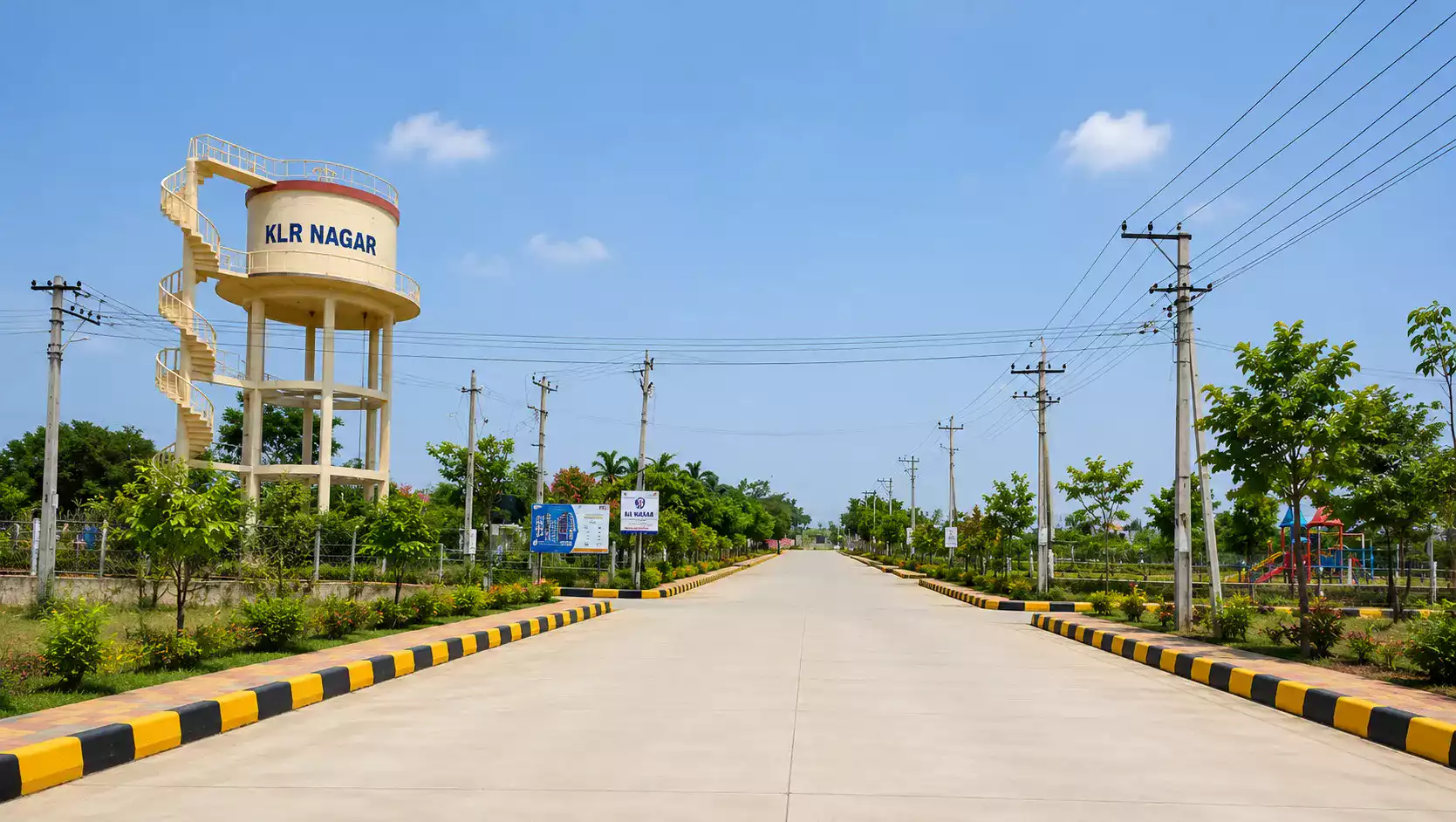
RERA verification costs nothing and takes less than five minutes. Skipping it costs far more. Every year, buyers in Hyderabad lose significant sums to plots with lapsed RERA registrations, layouts sold without any government approval, or RERA numbers that simply do not exist. The Telangana RERA portal makes this entirely preventable, so let's walk through exactly what to check, in what order, and what each document actually tells you.
What RERA Is and What It Actually Covers
RERA (Real Estate Regulatory Authority) was established under the Real Estate (Regulation and Development) Act 2016. In Telangana, the authority operates as TSRERA. Any plotted development exceeding 500 sq meters or more than 8 plots must be registered with RERA before the developer can legally market or sell the project.
What RERA registration means in practice:
- The developer has submitted verified project documents, including land title, layout approvals, and project financials, to the government authority
- The developer is legally required to maintain an escrow account holding 70% of buyer funds, protecting against diversion of money meant for project development
- Buyers have an official grievance mechanism if the developer defaults on timelines or commitments
- The project must be handed over within the declared timeline or face regulatory action
What RERA does not cover is equally important. RERA registration does not mean the layout is HMDA-approved. It does not guarantee the land title is clean. It does not mean the developer has a strong track record. It is one layer of protection in what should be a multi-layer verification process.
How to Verify RERA Registration for Any Hyderabad Plot
Do this yourself, directly at the portal. Do not rely on a certificate copy provided by the developer or agent.
- Go to rera.telangana.gov.in
- Click "Projects" then "Search Project"
- Enter the RERA registration number the developer gave you
- Verify that the developer name matches exactly what is in the project brochure and sale agreement
- Verify that the project name and address match the location you are buying in
- Check that the registration status shows "Active" and not "Expired," "Lapsed," or "Revoked"
- Note the validity date and confirm it has not passed
- Download and save the registration certificate for your records
Red Flags to Watch For
- A RERA number that returns no results on the portal , the number may be fabricated
- Registration status showing "Lapsed" or "Expired" , the developer's registration has not been renewed
- Developer name on the portal different from the entity selling to you
- Project address or survey number different from the plot's actual location
- A developer asking you to book or pay before RERA registration is obtained , this is illegal under the Act
What the RERA Certificate Actually Contains
When you download a RERA certificate from the portal, check each of these fields against what the developer told you:
- Developer's legal name and registration details
- Project name, address, and survey numbers covered
- Total number of plots registered in the project
- Declared completion and possession date
- Encumbrance status: whether the land is mortgaged to a bank or financial institution
- Layout approvals submitted to RERA: HMDA approval number, building permission, NOCs
If the land is mortgaged on the RERA certificate, it does not make the project illegal. Many developers take construction finance against land. But you should understand this and ensure the mortgage will be released before or at the time of your registration. Ask the developer directly and get a written commitment.
HMDA Approval: A Separate Verification That Is Not Optional
HMDA (Hyderabad Metropolitan Development Authority) approval is completely separate from RERA. They cover different things and you need to verify both independently.
RERA covers the developer and the transaction process. HMDA certifies the physical layout plan itself: road widths, drainage networks, open space allocation, green belts, and infrastructure planning norms. An HMDA-approved layout means the physical design has been reviewed and certified by the government authority.
To verify HMDA approval:
- Go to hmda.telangana.gov.in
- Use the "Layout Approval" or "Permit Search" section
- Enter the layout approval number provided by the developer
- Verify that the approval is current, issued to the correct developer or landowner, and covers the specific survey numbers where your plot sits
DTCP (Directorate of Town and Country Planning) approves layouts outside the HMDA jurisdiction zone. DTCP approval is legally valid but HMDA approval applies stricter infrastructure norms and is generally considered higher standard. HMDA-approved plots typically carry a 10 to 20 percent price premium over DTCP-only plots, and that premium tends to hold at resale.
The Encumbrance Certificate: Why It Matters as Much as RERA
The Encumbrance Certificate (EC) is a record from the sub-registrar that shows all registered transactions on a specific property for a defined period. It is the most direct way to check whether the land you are buying has any financial or legal claims against it.
A 30-year EC will show:
- All previous sales and transfers of the property
- Mortgages and loans registered against the land
- Court attachment orders or litigation on the property
- Gift deeds, partition deeds, or family settlements affecting ownership
Obtain the EC yourself from the sub-registrar office for the relevant jurisdiction, or through a registered legal professional. Do not accept a developer-provided EC as your sole source. Gaps in the ownership chain, unexplained periods with no recorded transactions, or recently discharged mortgages all warrant explanation before you sign.
Common Mistakes That Lead to Disputes
- Accepting a RERA number without verifying it: The portal is free and takes minutes. There is no excuse for skipping this step.
- Assuming RERA means title is clear: A RERA-registered project can still have unresolved title issues. RERA and title verification are separate tasks.
- Not reading the EC personally: The 30-year Encumbrance Certificate is the clearest window into a property's legal history. Get it, read it, and get a lawyer to explain anything that is not clear.
- Booking at pre-launch before RERA is obtained: Under the Act, marketing or selling before RERA registration is illegal. Any builder offering pre-launch bookings is operating outside the law regardless of how attractively it is framed.
- Trusting verbal assurances on timelines or amenities: Only what is in the RERA-registered project documents is legally enforceable. Promises made in brochures, site visits, or WhatsApp chats do not create legal obligations for the developer.
Complete Pre-Purchase Verification Checklist
- RERA registration verified at rera.telangana.gov.in, status Active, all details match developer's documentation
- HMDA or DTCP layout approval verified, specific plot survey number confirmed within approval boundary
- 30-year Encumbrance Certificate obtained directly from sub-registrar, no unexplained entries
- Land use classification confirmed as residential, not agricultural
- Title chain reviewed by an independent lawyer, ownership history clean and unbroken
- Patta (legal ownership record) in the developer's or landowner's name verified
- Physical site visit completed: approach roads, internal road widths, utility connections, drainage, and compound wall all checked
- Developer track record verified by visiting at least one existing completed project
- Sale agreement reviewed by your lawyer before signing, including possession timeline and penalty clauses